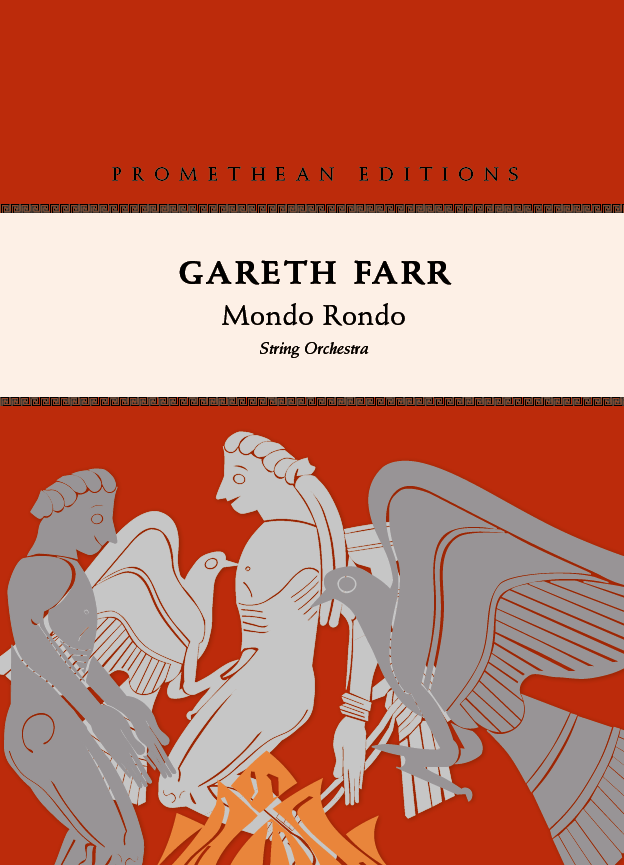
Mondo Rondo's three concise movements are quirky, clever, and full of character. Although the title of the first movement gives a nod to the rondo form found in classical music, it does not stay true to this form for its entirety. Among the patchwork of oft-repeated themes and new ideas interspersed between comically inappropriate cadences, Mondo Rondo contains material from which the following two movements are derived. The movement's sudden dynamic changes and quick switches between pizzicato and arco playing provide an exciting and energetic challenge for the ensemble, with crisp timing required as it comes together for Mondo Rondo's unified rhythmic statements before splintering off once again into independent quick-fire call-and-response material.
Mumbo Jumbo begins as a study in pizzicato, orchestrated in an unusual hocketted fashion suggestive, perhaps, of the sound of the m'bira (African thumb piano). Of the three movements, Mumbo Jumbo contains the most integration of extended playing techniques, employing snap pizzicato and tapping on the instrument bodies. With these techniques presented as interlocking beats within the movement's hypnotic sound world, the players have a piece of music that showcases in dynamic fashion the range of sounds available to string instruments.
The third movement, Mambo Rambo, opens with a repeated emphatic statement before settling into a layered groove. Accompanying roles are passed throughout the ensemble, while the middle section demands fast fingerwork that switches between accompaniment and foreground, racing by in bursts of fortissimo or scurrying along in tense whispers. The movement's main theme returns for the conclusion in the form of harmonic planing chords, singing out above an enriched underlying groove.
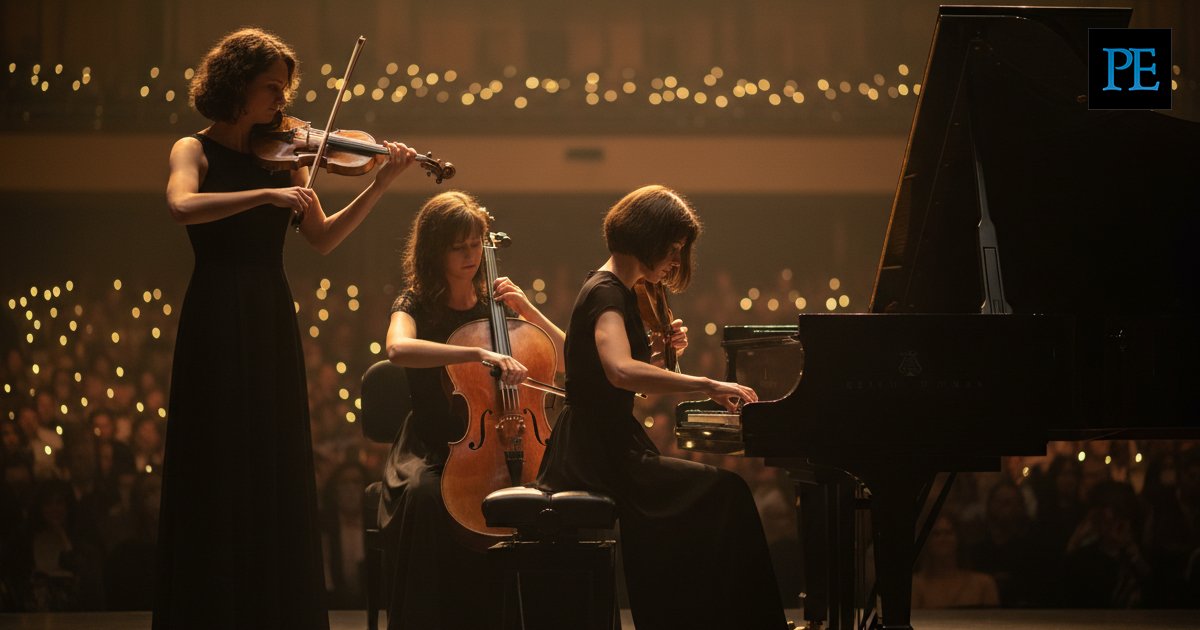
In 2012, Farr arranged this work for piano trio at the request of NZTrio. This arrangement is published under the title Mondo Rondo (PE132).
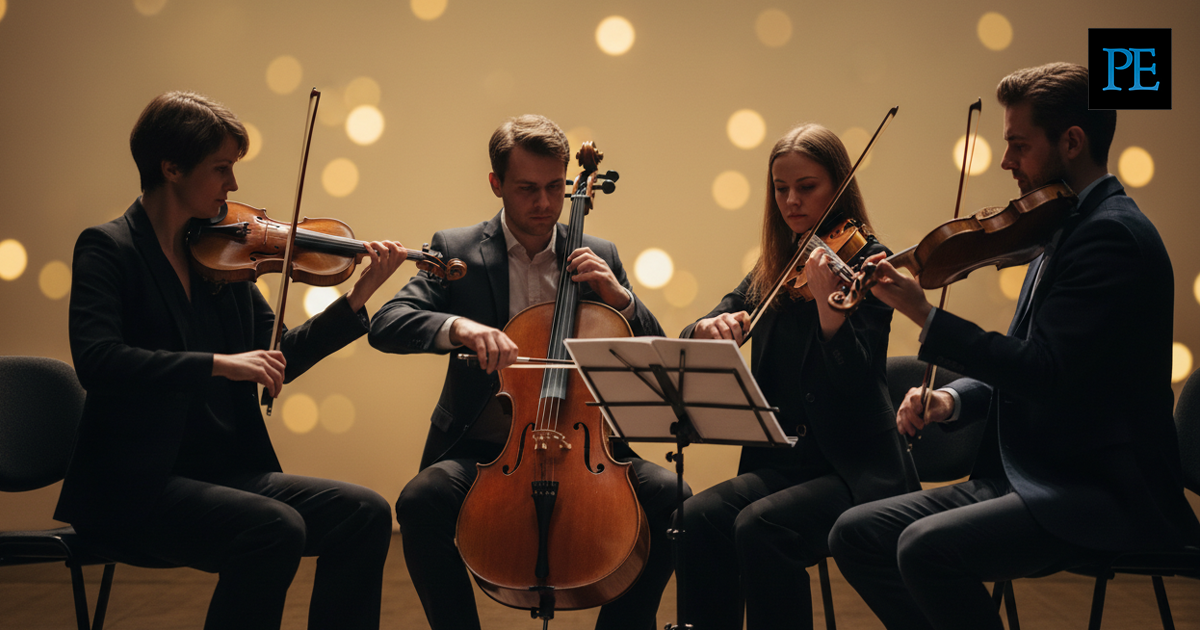
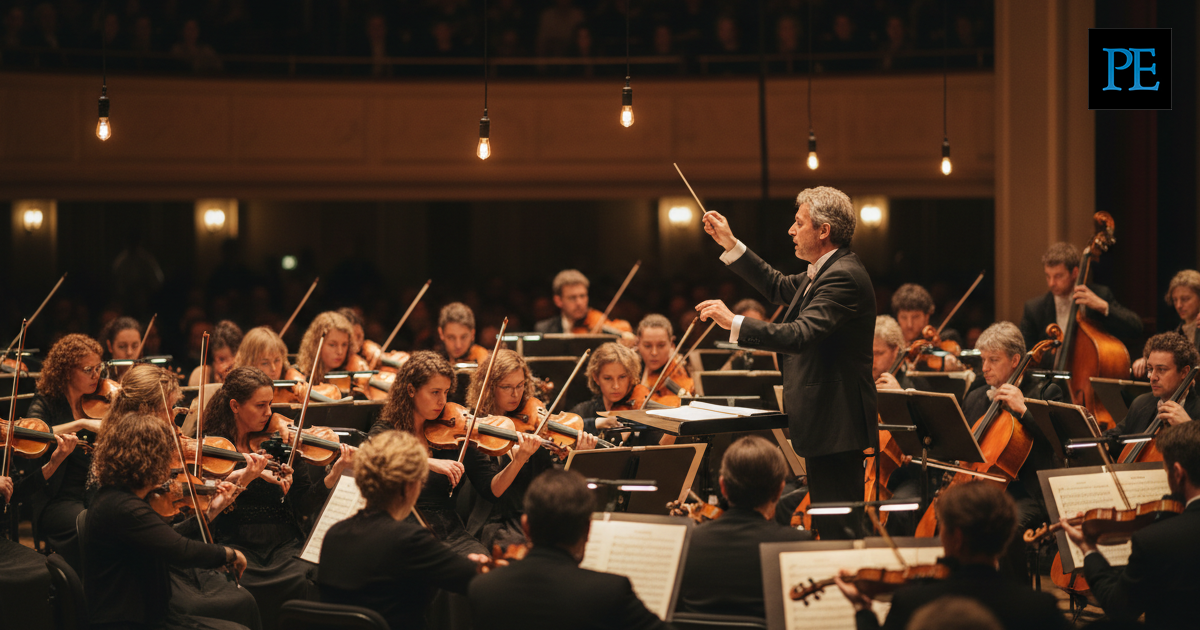
The first time I heard Gareth Farr's ebullient and cleverly crafted string quartet Mondo Rondo, I knew it was an ideal candidate for a string orchestra adaptation. The visceral energy permeating the work and the grooving rhythms in the second and third movements make it particularly well-suited for orchestral reinforcement. I sought to enhance the inherent contrasts in the score by letting the original quartet texture emerge at various points in the arrangement. My addition of lower octave lines in the violins at the climax of Mumbo Jumbo and the double bass pizzicato groove in the last movement are examples of how extra forces can enhance the original composition. It is a blessing for arrangers to be able to discuss ideas with living composers and I was very fortunate to get Gareth's feedback whilst preparing this arrangement.
The United Strings of Europe have performed this version several times in Lebanon and the United Kingdom and they included it on their debut album In Motion with BIS Records. I am grateful NZTrio violinist Amalia Hall for introducing me to Gareth's music and to this quartet in particular.