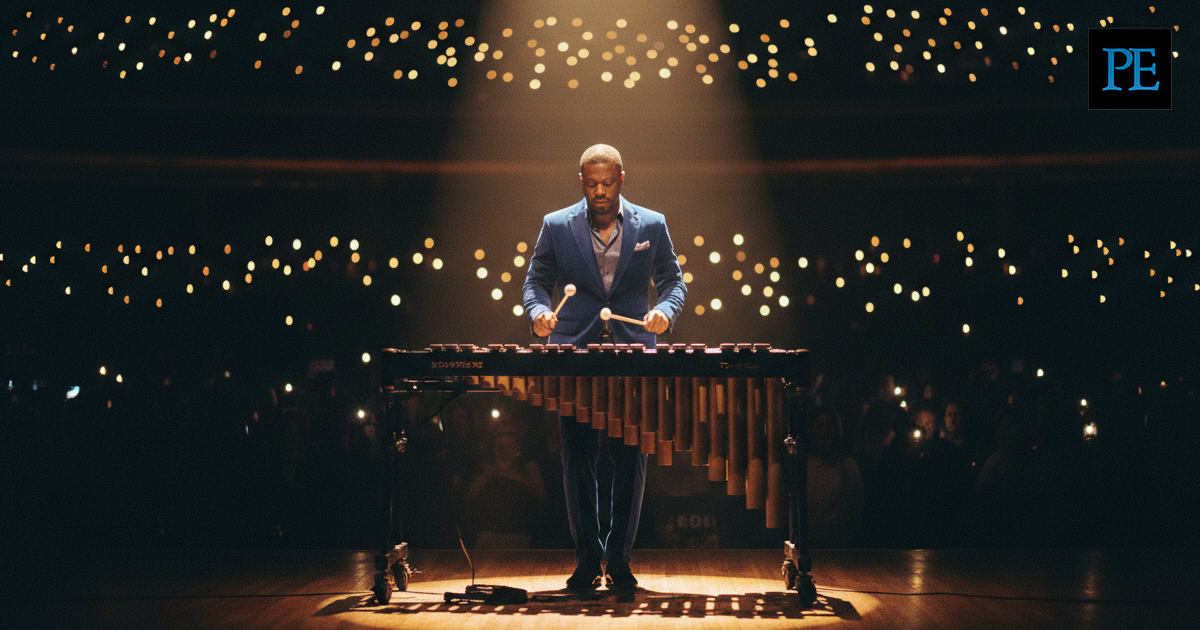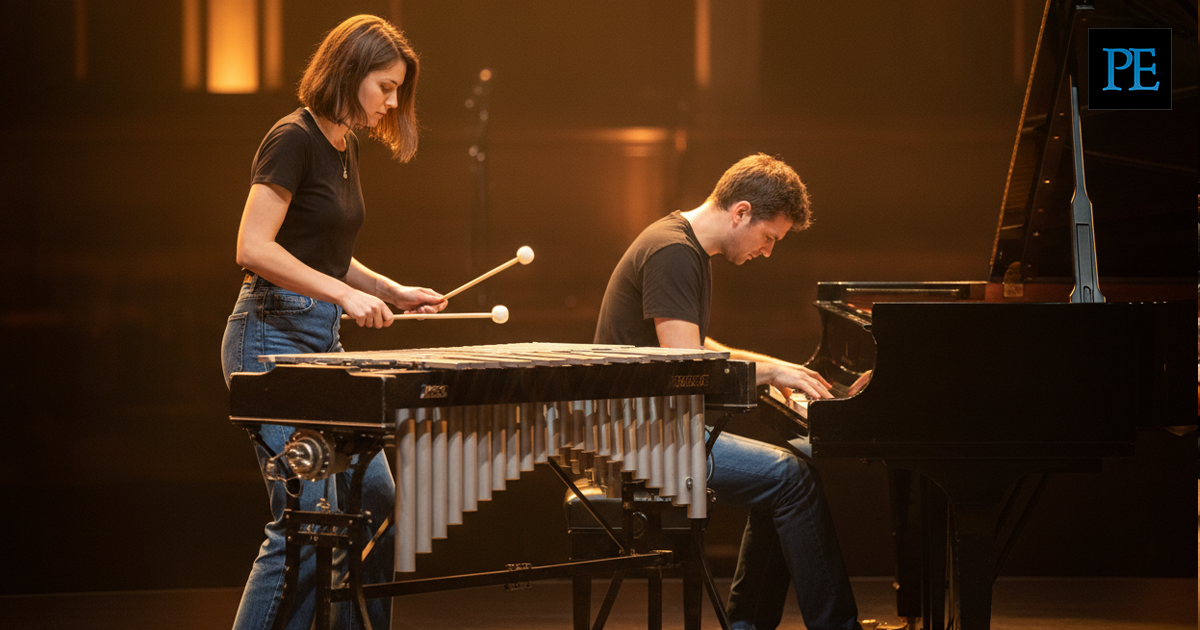

Nostalgia – in its original form scored for vibraphone and orchestra – constitutes part of the second movement of The Shaman (a concerto for percussion and orchestra). This arrangement for solo piano was originally conceived as an encore piece for The Shaman. However, it is now also considered a stand-alone work, with an alternate arrangement for solo vibraphone (PE154) also available.
Catalysed by Ho's affinity with various artistic mediums (namely photography, painting and poetry), Nostalgia is a work which invites the listener to traverse moments of the composer's past. It opens with maudlin melodic gestures, supported by sparse chordal material which conveys a sense of longing and wistful sentiment instilled in the composer by Barber and Leestemaker. As the underlying harmonic material becomes more rhythmically active, the idiosyncrasies of the vibraphone are exhibited and contribute to a gradual thickening in texture. The tempo gently escalates which sees the work give way to a series of rhythmically non-specific flourishes. These flourishes culminate in a brief senza misura section, before notes reminiscent of the tender opening motions 'drift away' at the work's close.
Nostalgia was initially inspired by three things: a photo taken by Doug Barber of an old man looking out of a window during sunset, a painting by Luc Leestemaker (Voyager #3), and an accompanying poem to the painting by the same artist titled Voyager (about an endearing childhood memory). These three works shared a nostalgic quality that warranted musical interpretation. However, in order for me to capture this emotion, I had to search through my own personal history to find the one memory that brought me the same bittersweet longing; a moment in my life that I have treasured and kept close to my heart. Once I had found it, I was brought back to that sacred emotional space and the music soon wrote itself.