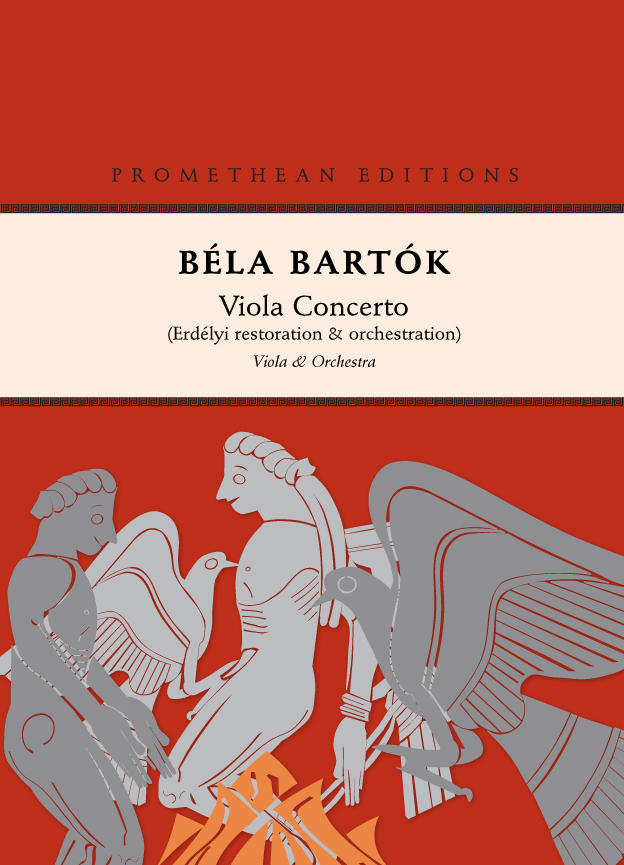
Commissioned by the famous Scottish violist William Primrose during the final year of Bartók's life, the Viola Concerto (1945) has become a staple of the viola repertoire. This edition has been critically restored by Bartók scholar Csaba Erdélyi. The first movement is in sonata form, its main theme journeying through various moods. The second movement offers a simple three-part song of exceptional beauty, while the energetic third goes into a community dance inspired by Romanian folk material.
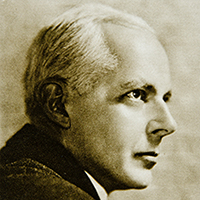
Béla Bartók (1881-1945) is considered one of the most important composers of the 20th century. Though his early works displayed the influence of nationalism and late Romantic figures such as Brahms and Strauss, the creative path that defined Bartók’s career was his incorporation of elements of folk music. As his interest in folk music grew, its distinctive modes and irregular rhythms became a hallmark of Bartók’s compositions, be they small piano pieces or masterfully orchestrated symphonies. Bartók’s extensive collection and analytical study of folk music made him a pioneer in the field of study that would later come to be known as ethnomusicology.