Rangitoto was originally commissioned to be a part of a spectacular open-air show to mark the passing of the millennium, and was a musical representation of the eruption of Rangitoto Island in New Zealand's Hauraki Gulf during the 14th century. For this performance, four percussionists of the STRIKE ensemble were suspended in a cage 200 feet above the audience, and kept time with the orchestra below by the use of radio headsets. The work was revised for the concert hall in 2003, and although the composer has said that "the four solo parts would have been too dominating indoors, so I have eliminated them and incorporated the material into the orchestral percussion parts", a concert-goer at the first performance of this version observed that it was the loudest piece he had ever heard performed by a symphony orchestra.
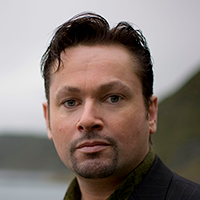
Gareth Farr is an indisputably colourful figure in New Zealand music. And whether scored for percussion duet or the resources of two large orchestras, Farr's music reflects his personality – bold, brash, or delicate and sensuous, but inevitably, immediately, engaging. Rhythmic elements of his compositions can be linked to the complex and exciting rhythms of Rarotongan log drum ensembles, Balinese gamelan and other percussion music of the Pacific Rim. In addition to his music for the concert chamber, Farr has written music for dance, theatre and television.