From the Merriam-Webster Dictionary:
Stigmata : bodily marks or pains resembling the wounds of the crucified Christ and sometimes accompanying religious ecstasy.
I once read a quote by a painter (whose name I have forgotten) that went sort of like this: "Which is harder: painting a person who is fully clothed, or painting a nude?"
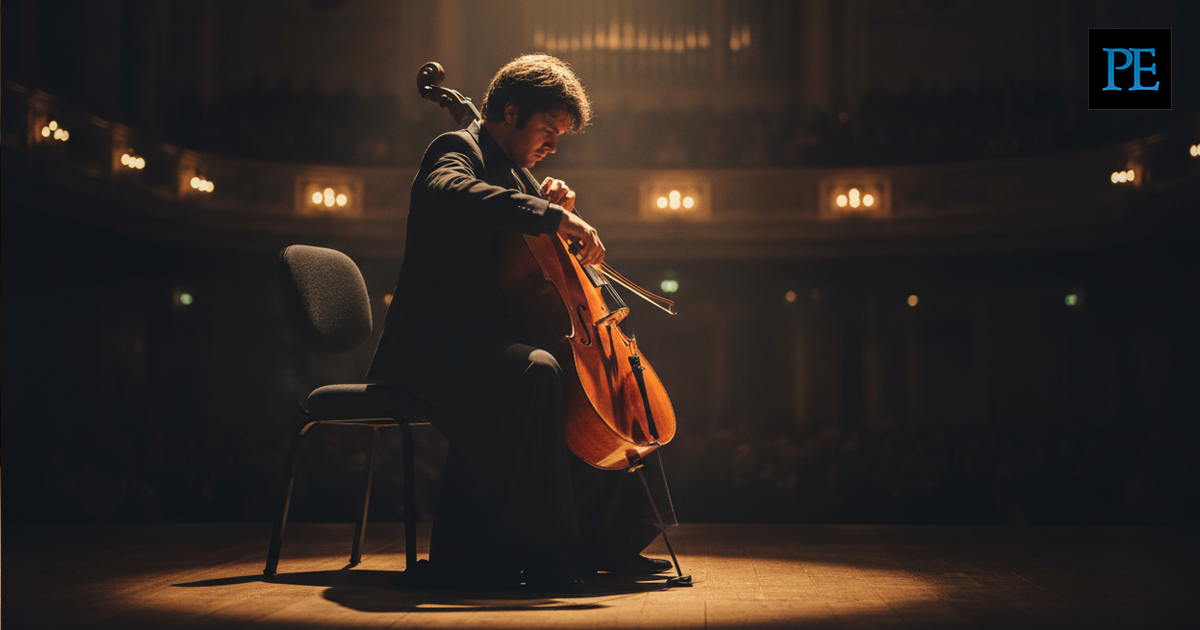
This made me ponder on the difficulties a composer confronts when writing for a solo instrument. For unlike an orchestra or a chamber ensemble, a soloist is limited in sound and texture. Thus, what is lost in volume and density must be compensated by the degree of musical expression. This issue became somewhat of an obsession for me when I began writing this piece. Being that I had an extraordinary performer in mind for it (Jakub Omsky), I made it my goal to write something that would allow him to convey his personal thoughts and emotions. What resulted was a highly expressive work that journeys through moments of loneliness and profound sadness. Various pitch-bend techniques are organically built into the thematic material to convey expressive gestures of sorrow (analogous to "sighs", "wails", etc). The piece concludes with a prayer-like hymn.
Ranging widely across a landscape of feverish mood swings – alternately brooding and eruptive – this piece maintained its impassioned rhetoric with the aid of slides, pitch bending, harmonics, and fierce bowing attacks. In cellist Thalia Moore's highly charged, expressive rendition, Stigmata made a strong impression – from its climactic outcries to the subdued, prayerful meditation that ends the work.